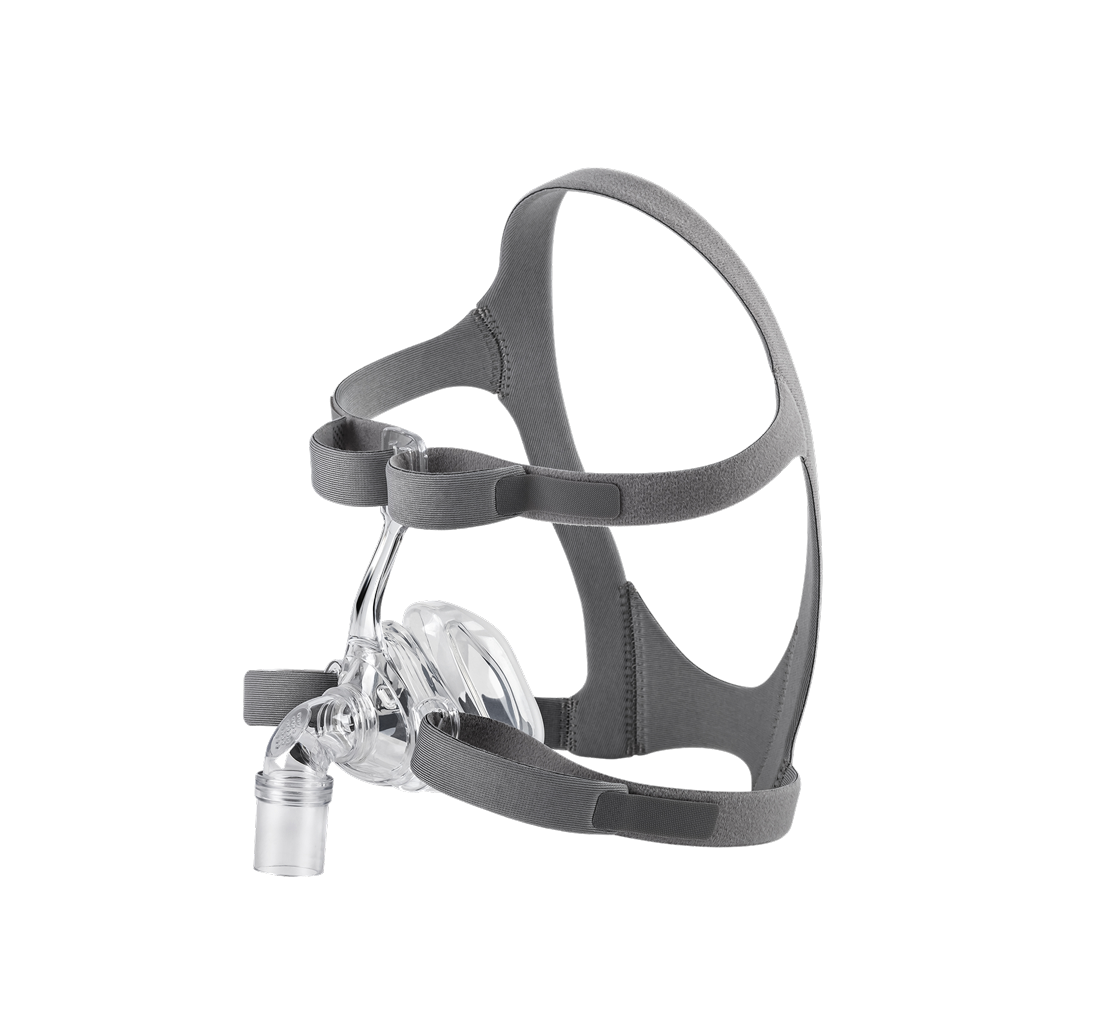
iRiFiT Nasal Mask (N300)
Designed for maximum comfort and quiet performance. The iRiFiT N300 adapts to facial contours, ensuring a secure fit with minimal pressure during PAP therapy.
Key Features:
- Soft silicone frame with lightweight design
- Adaptive nasal wing structure for stable seal
- Swallowtail vent design for noise reduction
- Compatible with all standard PAP systems
- Skin-friendly, adjustable headgear
- Multiple sizes available (S, M, L)
- Anti-asphyxia valve for added safety




Minimal Contact, Maximum Comfort
The iRiFiT N300 is a nasal pillow mask that delivers PAP therapy through soft silicone pillows resting at the nostrils, providing effective therapy with minimal facial contact. Nasal pillow masks are preferred by patients who feel claustrophobic with full face masks or who sleep on their side.
For institutional buyers, nasal pillow masks are the highest-volume mask category. The iRiFiT N300 at wholesale pricing enables distributors to bundle masks with PAP device orders, creating a complete therapy package that simplifies procurement for end customers.
Why Distributors Stock the iRiFiT N300
The highest-volume mask category in wholesale PAP distribution — a natural bundle with every device order.
Most-Requested Mask Type
Nasal pillow masks represent the largest segment of PAP mask sales. Stocking the N300 at wholesale pricing gives distributors their highest-demand mask at competitive margins.
Compliance Through Comfort
Patients who abandon therapy due to mask discomfort often switch to nasal pillows and resume treatment. Minimal facial contact and soft silicone cushions reduce pressure points and improve adherence.
Bundle with Every Device Order
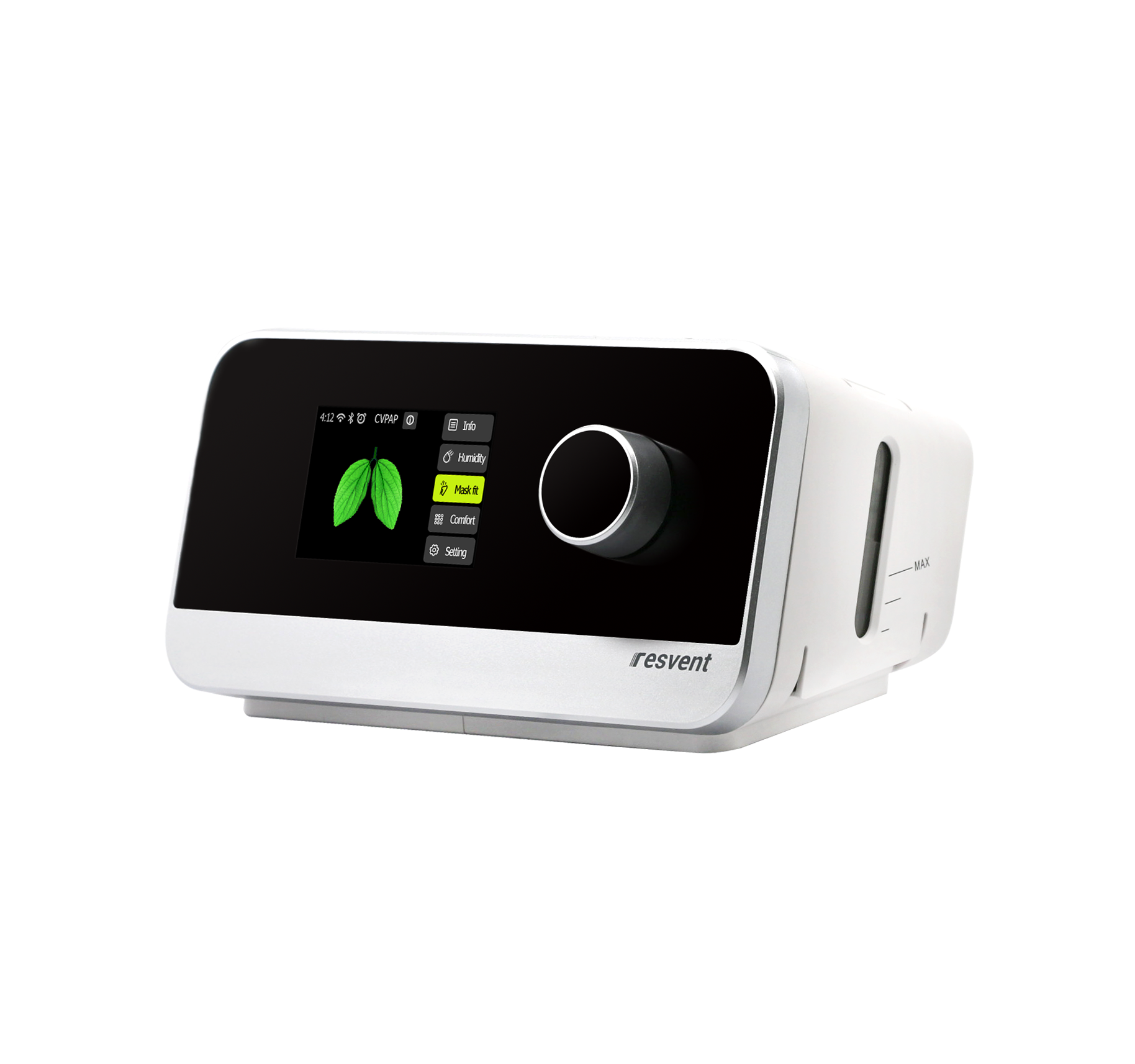
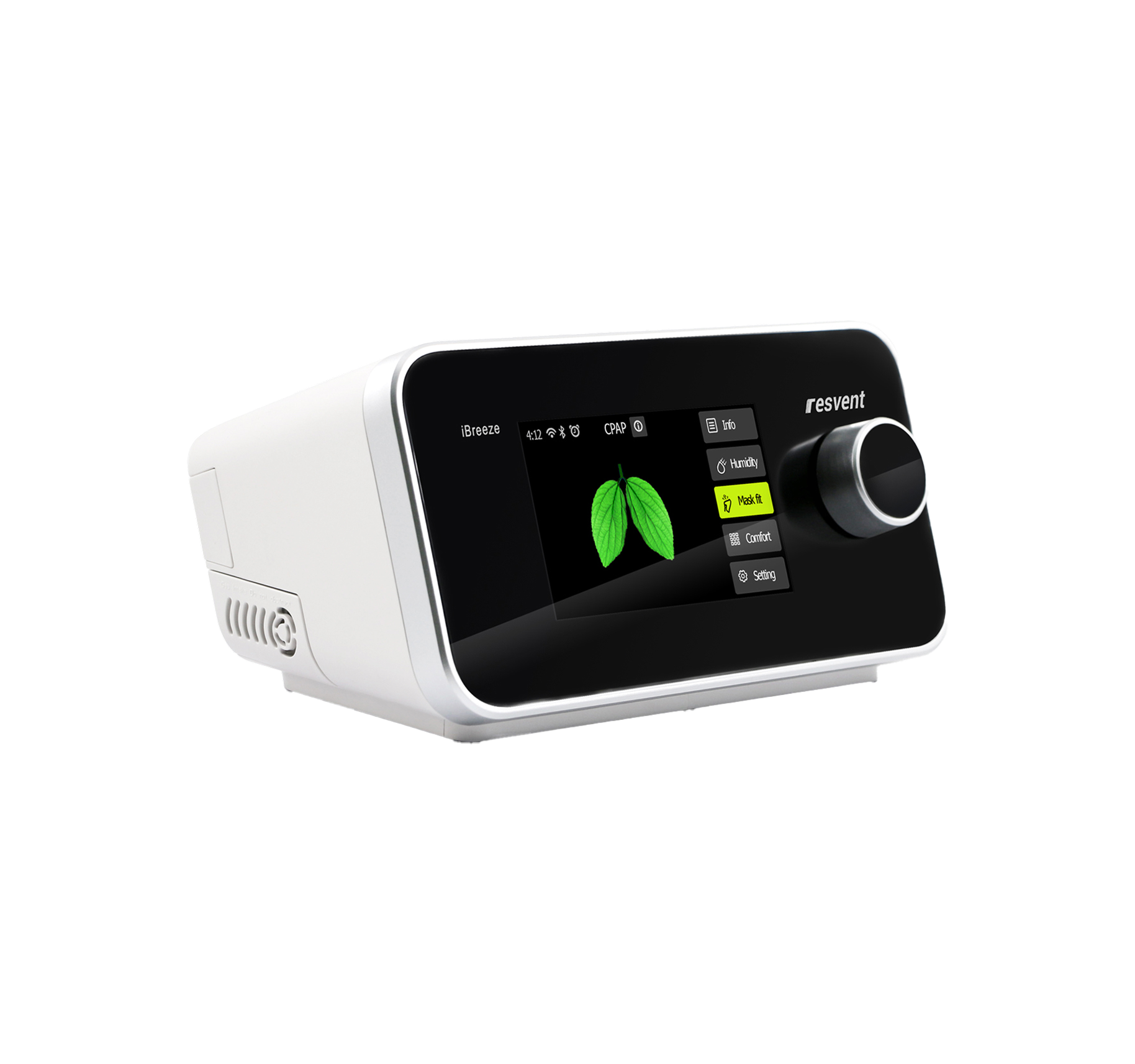
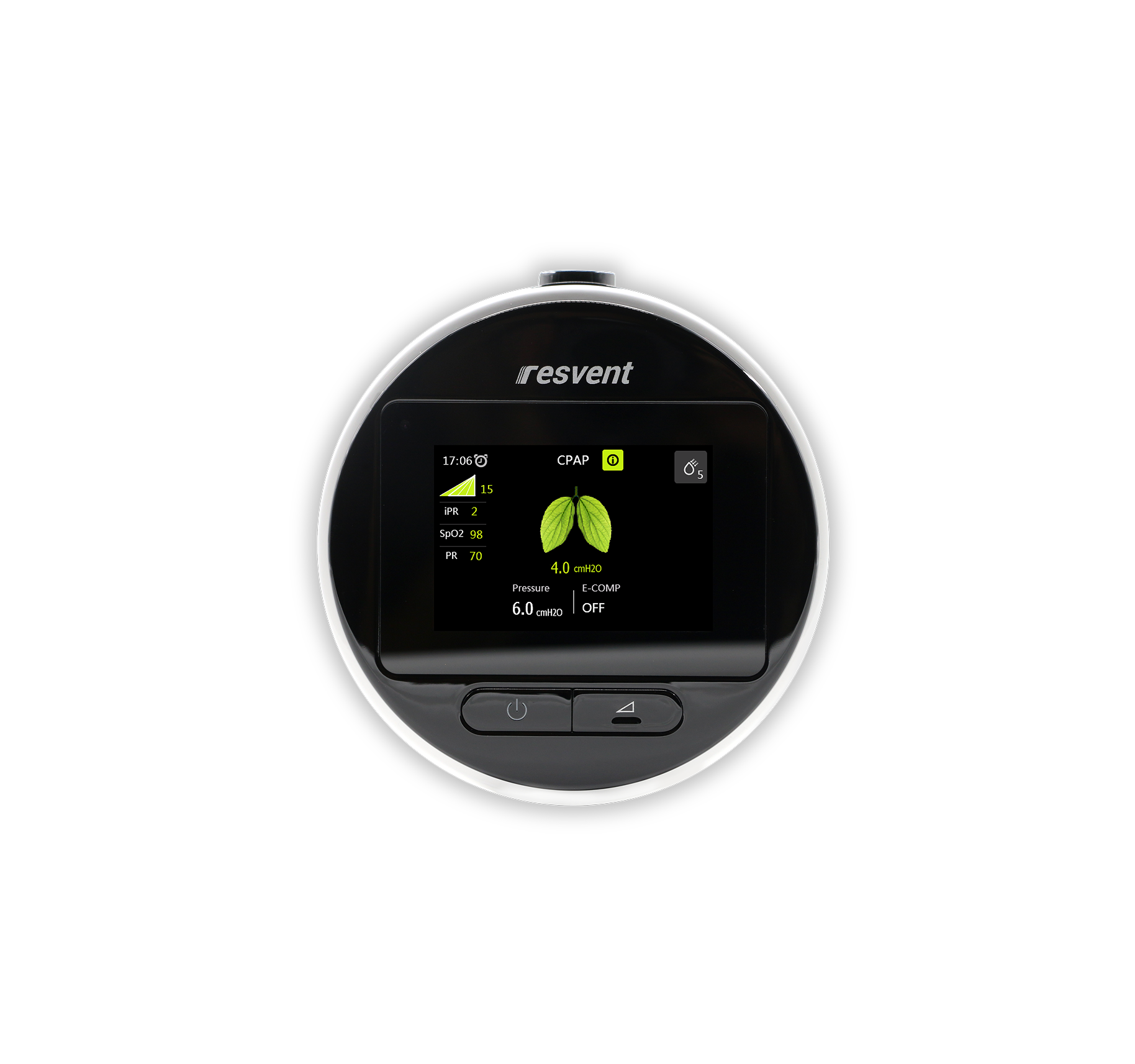
Pair N300 masks with iBreeze device orders for a complete therapy package. Bundling simplifies procurement for institutional customers and increases per-order value.
Frequently Asked Questions
What is the adaptive nasal wing structure on the iRiFiT N300, and how does it maintain a seal?
The N300's adaptive nasal wing is a flexible silicone structure that conforms to the shape of the nostrils and nasal bridge rather than relying on rigid pressure to create a seal. The wings flex independently, accommodating asymmetrical nasal anatomy — which is more common than most people realize.
Traditional nasal pillow masks use stiff inserts that push directly into the nostrils, which causes discomfort, nostril distension, and pressure sores during extended use. The N300's wing design distributes sealing force across a wider surface area around the nostrils rather than inside them. This difference matters for long-term adherence: patients who experience nostril pain typically abandon nasal pillows within the first two weeks. The adaptive wing extends that tolerance window significantly.
How quiet is the iRiFiT N300 compared to other nasal masks on the market?
The N300 uses the same swallowtail vent diffuser technology as the F300 full face mask, dispersing exhaled air broadly rather than through a concentrated jet. Nasal masks are inherently quieter than full face masks because the smaller cushion area means less total air volume to manage at the exhaust vent.
Combined with the swallowtail design, the N300 produces minimal perceptible noise at the mask level. For patients and bed partners, mask vent noise is often more noticeable than device noise — a device running at 25–26 dB means nothing if the mask is hissing at 40 dB from a poorly designed vent. The N300's diffuser keeps the overall system noise consistent with the quiet performance of the iBreeze platform.
Does the iRiFiT N300 work with PAP devices from other manufacturers?
Yes. Like the F300, the N300 uses a standard 22mm swivel connector that interfaces with every major PAP brand: ResMed AirSense and AirCurve series, Philips DreamStation and System One, Fisher & Paykel ICON and SleepStyle, DeVilbiss IntelliPAP, and all Resvent iBreeze models.
The integrated anti-asphyxia valve is built into the mask assembly, not dependent on the connected device, ensuring safety compliance across all brands. For wholesale distribution strategy, universal compatibility is essential — the addressable market for mask sales includes every PAP patient, not just those using Resvent devices. Distributors can sell the N300 as a replacement mask into any competitor's installed base.
When should a clinician recommend the iRiFiT N300 nasal mask over a full face mask like the F300?
Nasal masks are the first-line recommendation for most new PAP patients because they're less invasive, lighter, and have a smaller facial footprint. The N300 is ideal for patients who: breathe primarily through their nose, don't have significant nasal obstruction, sleep on their side or stomach, and feel claustrophobic with full face coverage.
Full face masks like the F300 become necessary when patients are mouth breathers, have chronic nasal congestion, or need higher pressures where mouth leak becomes problematic. Some clinicians start with a nasal mask and switch to full face only if mouth leak data shows it's needed. For distributors, stocking both the N300 and F300 covers the full spectrum — and selling both as part of a mask fitting session is standard practice in well-run sleep programs.
What sizes does the N300 come in, and how often should nasal cushions be replaced?
The N300 ships in three sizes (S, M, L) with an included sizing guide. Nasal anatomy varies significantly across populations, so stocking all three sizes is recommended. Medium covers roughly 55–60% of patients, but the small and large sizes are essential for proper fitting sessions.
Replacement schedule: nasal cushions should be replaced every 2–4 weeks for optimal seal and hygiene — more frequently than full face cushions because the smaller surface area degrades faster from skin oils and moisture. Headgear lasts approximately 6 months. This high replacement frequency makes nasal masks an even stronger recurring revenue product than full face masks. At 2–4 week cushion intervals, a single active patient generates 12–26 cushion purchases per year.